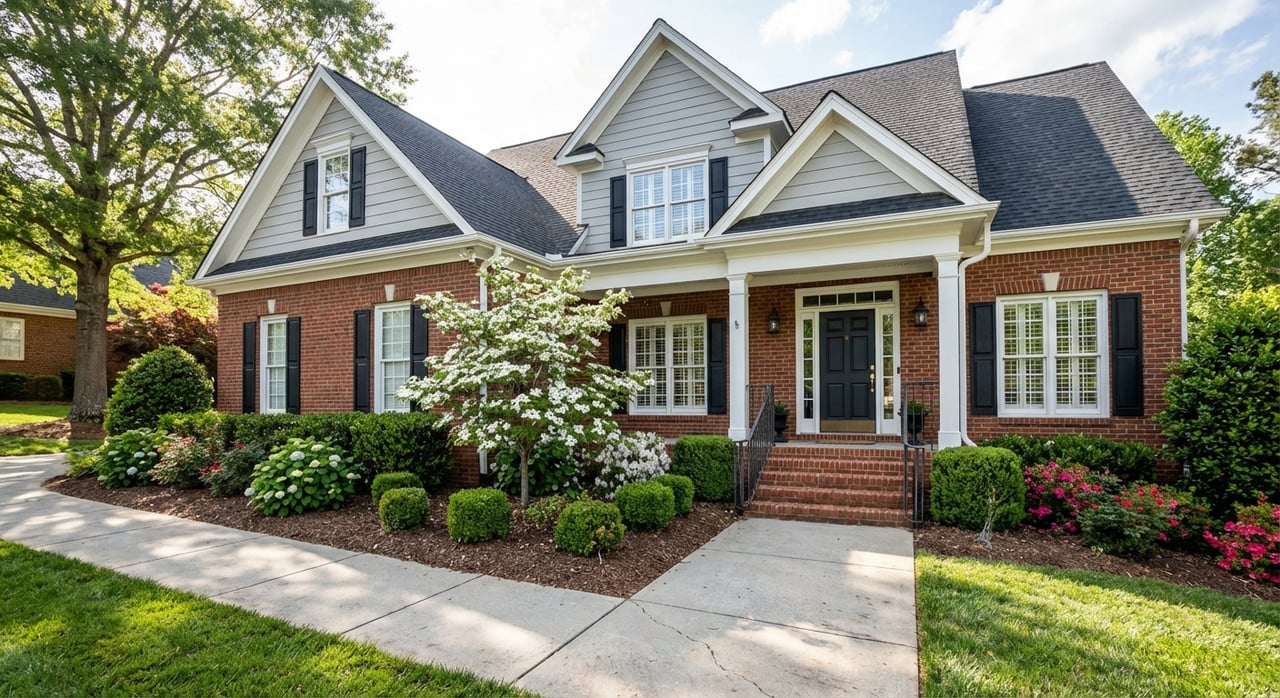
If you love Signal Mountain’s woods, views, and close-knit feel but are not sure which home style fits your goals, you are not alone. Buying on the mountain can feel different from buying in town because of slope, drainage, and permitting details you do not see everywhere. In this guide, you will learn the most common home styles in 37377, what they usually mean for maintenance and renovations, and how to approach inspections with confidence. Let’s dive in.
Why style matters in 37377
Signal Mountain sits on Walden’s Ridge, where steep lots, shallow bedrock, and seasonal water patterns affect how homes live and age. The Town is self-governing and manages building and code enforcement, a stormwater utility, and a water utility, so you will work closely with local departments as you plan repairs or upgrades. Before you start any project, confirm permit needs and the current adopted code edition with the Town’s Building & Codes office using the adopted ordinances page for reference. You can review those details on the Town’s adopted codes page to confirm the 2018 International Codes and 2017 NEC are in effect and to check for updates before you plan work. Review adopted building codes and permits.
Stormwater and slope design matter here. If you alter driveways, cut into slopes, or add retaining walls, you will likely need review from Public Works and Stormwater. The Town posts best practices, standards, and contact info so you can confirm what is required for your specific parcel and project. See Stormwater Management resources and Engineering Design Standards and encroachment details.
Even on a ridge, it is smart to verify flood risk for each property. Local hollows and creek bottoms can experience localized flooding. Check a parcel’s flood status directly in FEMA’s official FIRM and NFHL map layers rather than relying on local hearsay. Check FEMA’s Flood Map Service Center.
Geology also shapes life on the mountain. USGS work on Walden’s Ridge and the Signal Point area notes variable shallow bedrock, fracture-controlled groundwater, and site-specific conditions that affect wells, drainage, and excavation. If you are evaluating a view lot, a long driveway, or acreage, build in extra due diligence. Read USGS notes on Walden’s Ridge groundwater.
Common Signal Mountain home styles
Mountain cottages and older homes
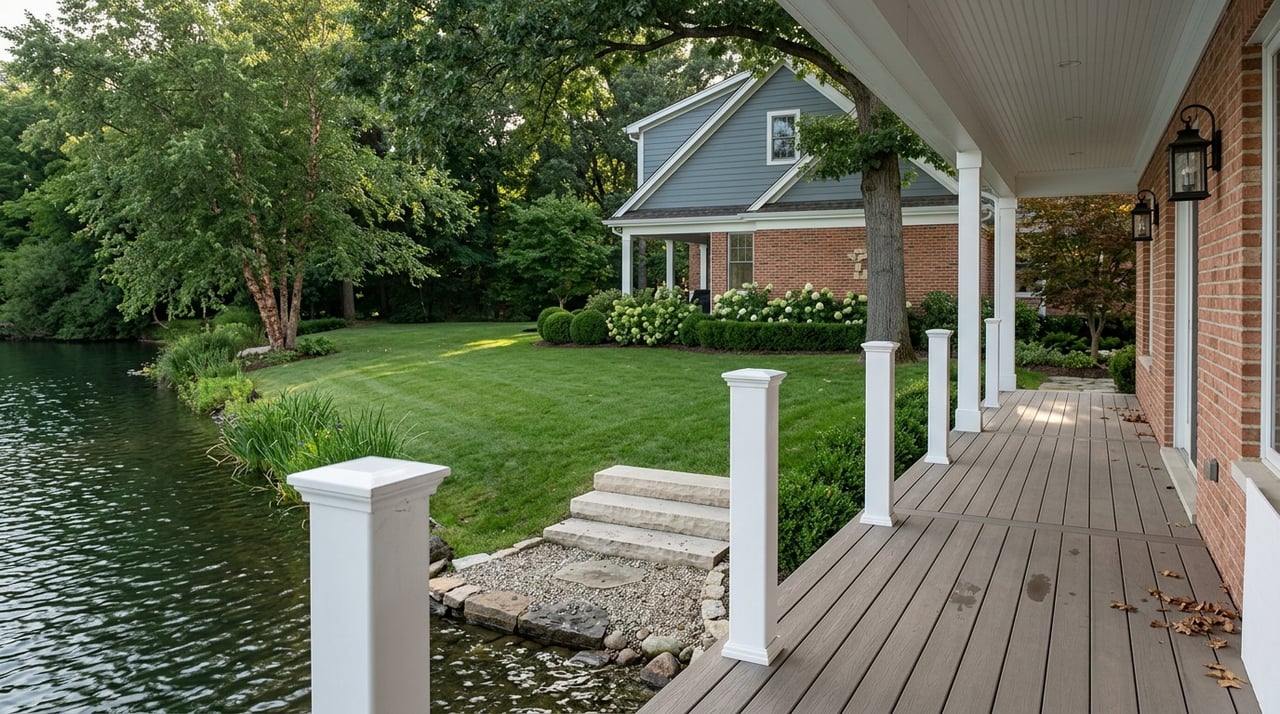
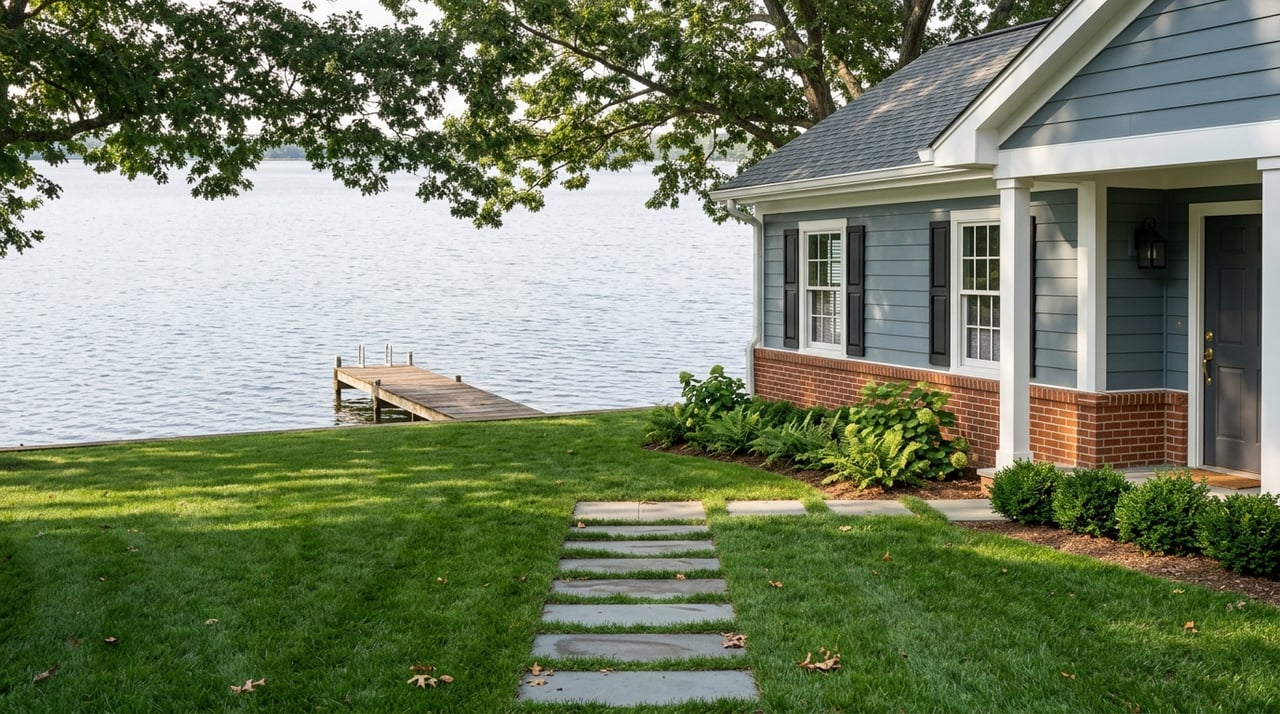
These cabins and cottages often come with wood siding, covered porches, and walk-out lower levels that tuck into the slope. Many sit on compact or wooded lots and some started as part-time retreats before becoming full-time homes.
What to watch: moisture management is key. Look closely at roof flashing, gutters, and grading. On older structures, you may see porch rot, aging chimneys, thin attic insulation, or older furnaces and water heaters. On slopes, confirm culvert sizing and the condition of any retaining walls. A good inspector will check these items and note whether you should bring in an engineer. For inspection scope and specialty add-ons, review the American Society of Home Inspectors (ASHI) guidance. See ASHI’s standard inspection checklist.
Renovation outlook: these homes respond well to cosmetic updates and careful weatherproofing. Foundation, drainage, or retaining-wall fixes can be costly and usually require permits and, in some cases, engineered plans. Start with a thorough inspection, then use the report to get contractor bids.
Mid-century homes (1950s–1970s)
Mid-century homes in 37377 often feature larger windows, open layouts, and lower roof profiles. They can feel airy and flexible for modern living.
What to watch: electrical and environmental updates are common needs. Older wiring may lack modern AFCI and GFCI protection, and panels can be undersized for today’s loads. Plumbing may include galvanized steel, and original single-pane windows lose energy. For pre-1978 finishes, plan for lead-safe practices and consider asbestos screening where suspect materials are present. The EPA outlines key rules and testing steps for older homes, and your inspector can flag when to bring in specialists. View EPA lead-safe renovation guidance.
Renovation outlook: these homes shine after system upgrades and targeted energy improvements. Major electrical or plumbing work will require permits and updates to meet today’s codes. Confirm requirements with Building & Codes before you start. Check adopted building codes.
Newer builds and recent remodels
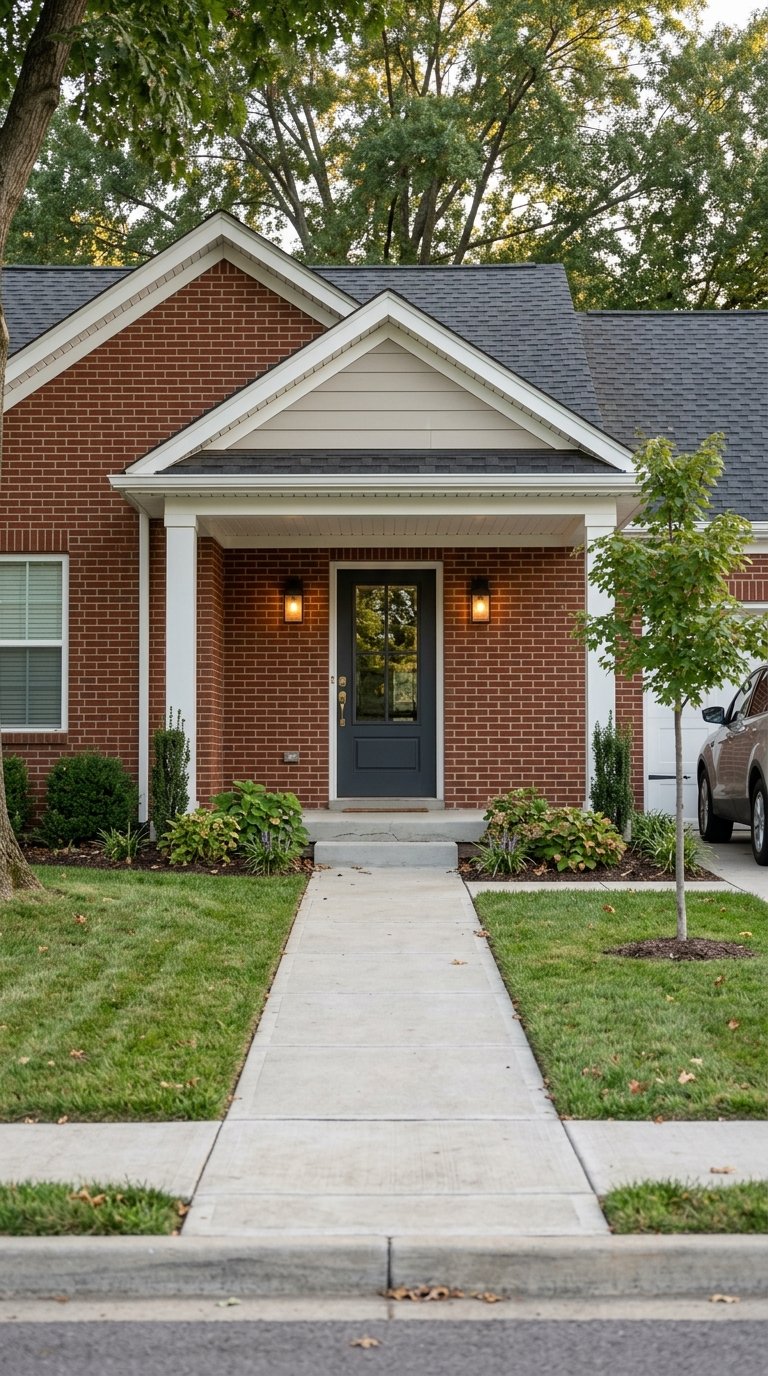
Newer construction and well-executed remodels typically offer modern insulation, updated mechanicals, and layouts that support today’s lifestyles. Near-term maintenance risk is often lower.
What to watch: you still want an independent inspection. Confirm grading and drainage match the approved plan, and verify builder documentation and warranties for roofs, HVAC, and windows. Even new homes can need punch-list repairs. If you are planning any additions, pull permit guidance early. See Building & Codes resources.
Acreage, brow lots, and hobby-farm parcels
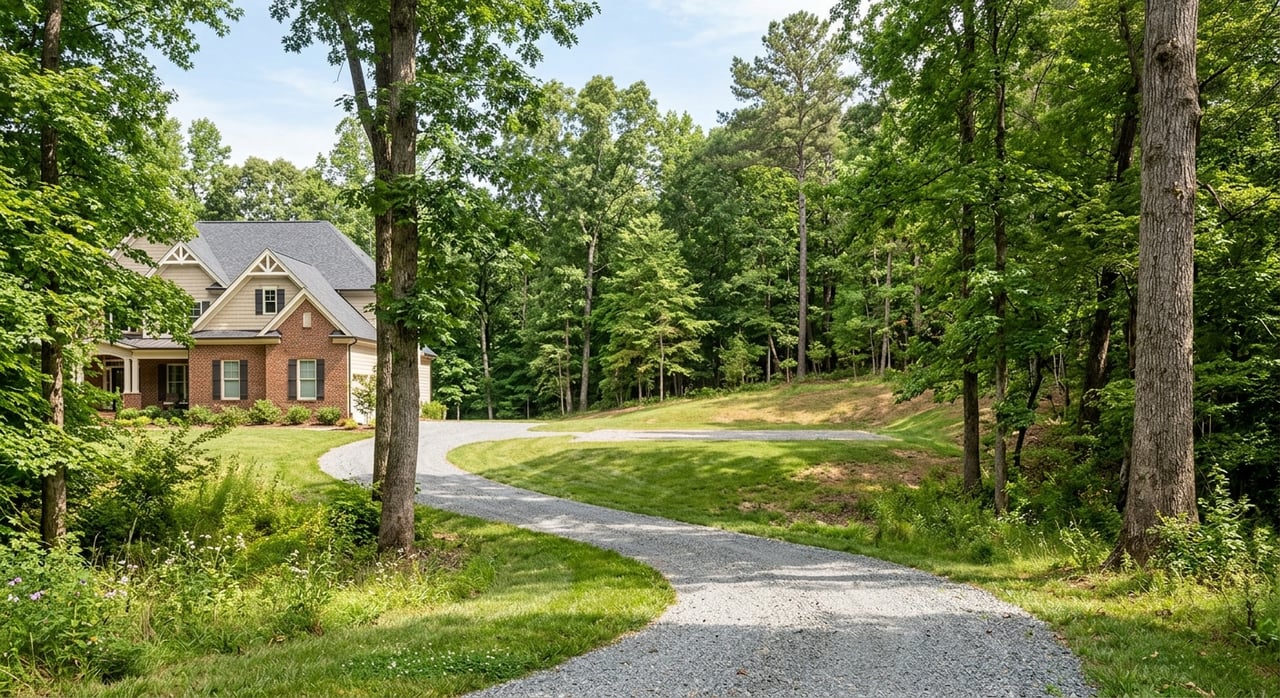
These properties can offer privacy, long views, and space for outbuildings. Some parcels sit inside Town water service while others do not, so confirm service availability for each property. The Town’s water utility page is the best place to start. Check Signal Mountain Water Utility info.
What to watch: on brow and wooded acreage, expect more site work. Private wells can have variable yields in fractured bedrock, so plan water-quality testing and verify well depth and production. Septic systems should be inspected and pumped with records reviewed. Long or steep drives may require maintenance or, if modified, permits for right-of-way encroachment and drainage improvements. USGS notes on fracture-controlled groundwater underscore the need for site-specific checks. Review USGS groundwater context for Walden’s Ridge and confirm any ROW and drainage requirements with the Town. See Engineering Design Standards.
Budgets and timelines
Short term, newer builds tend to carry fewer surprises for the first few years, while cottages and mid-century homes often need attention to roofs, HVAC, insulation, and electrical safety. Your larger budget variables usually come from site-dependent items like drainage corrections, engineered retaining walls, septic replacement, or foundation stabilization. These projects often require engineered plans, permits, and coordination with the Town’s Stormwater and Engineering staff, which can add weeks or months to your schedule. Review Stormwater Management standards and contacts.
Every home and site is unique, so build your budget from the inspection report and contractor estimates. National remodeling data shows wide cost ranges by scope, and structural or utility fixes can multiply costs compared with cosmetic updates. Use your findings to create a one-year and five-year plan so you can prioritize safety, water management, and comfort upgrades.
Your due diligence roadmap
A smart process saves money and reduces stress. Before writing an offer, verify three items for any Signal Mountain property:
- Water and sewer: confirm whether the parcel is on municipal water and sewer or relies on private systems. Start with the Town’s Water Utility and follow up with property records. Check Water Utility information and look up Tennessee Property Assessment Data.
- Flood and slope constraints: check FEMA’s official map for the parcel and ask about any local drainage or ROW approvals needed for future work. Use FEMA’s Flood Map Service Center and review engineering standards.
- Home age and potential hazards: for pre-1978 homes, plan for lead-safe practices and consider asbestos screening where suspect materials are present. See EPA lead-safe guidance.
Then, hire a licensed inspector with experience on mountain and steep lots. Use ASHI’s framework to set expectations and order specialty tests when the age or site suggests risk. Start with ASHI’s inspection overview.
Inspection checklists
Cottages and mid-century homes
Use this quick list with your inspector and contractor bids:
- Roof, flashing, gutters, and downspout routing. Confirm water moves away from the house and hillside.
- Attic insulation and ventilation. Ask for current R-values and upgrade paths.
- Electrical panel capacity and protection. Confirm GFCI and AFCI as appropriate for age and use.
- Plumbing material type and condition. Look for galvanized steel and signs of corrosion or low flow.
- Windows and envelope. Note single-pane windows and air leakage for energy planning.
- Lead and asbestos screening where age and finishes suggest risk. Use EPA’s lead-safe reference and follow your inspector’s sampling advice.
- Chimneys and fireplaces. Check for lining, drafting, and masonry condition.
Acreage and brow lots
Bring these site-specific items to the front of your report:
- Grading and drainage. Confirm positive slope away from the foundation and functioning culverts or swales. See Stormwater Management guidance.
- Retaining walls. Ask about permits, weep holes, drainage stone, and any signs of leaning or cracking. Review engineering standards.
- Driveway and right-of-way. Verify any encroachment permits for long or steep drives that intersect public ROW.
- Septic system. Order a septic inspection and request pump and repair records.
- Well and water. Test for bacteria, nitrate, and metals; confirm well depth and yield. USGS notes on groundwater variability explain why site-specific testing matters.
- Tree risk near structures and drives. Consider a tree-risk assessment for large trees close to the home.
Specialty tests to consider
- Radon: the EPA recommends testing all homes. Order a short-term test and plan mitigation only if levels exceed recommended action thresholds. See EPA radon testing guidance.
- Sewer scope: useful for older lines and houses with large trees near the lateral.
- Termite and wood-destroying insects: request a WDI inspection for any wood-framed home.
- Mold and indoor air: consider if the inspector finds moisture staining or musty odors.
Permits and timelines
In Signal Mountain, many projects will involve the Town’s Building & Codes and Public Works teams. Code editions, permit fees, and processing timelines can change, so confirm requirements before you set a contingency schedule. The adopted codes page is a good starting point and can point you to current contacts. Check adopted codes and contacts. For any work near slopes, drainage features, or the public right-of-way, start early with Stormwater and Engineering to avoid delays. See Stormwater resources and Engineering Design Standards.
Ready to find your fit?
Whether you are drawn to a cozy cottage under the trees, a mid-century with glass and light, or an acreage parcel on the brow, a little planning goes a long way on Signal Mountain. If you want neighborhood-level guidance, local context, and an easy path to listings and tools, reach out to Thibault Property Group for a friendly, informed conversation.
FAQs
What home styles are most common in Signal Mountain 37377?
- You will often see mountain cottages and older vernacular homes, mid-century properties from the 1950s–1970s, newer builds and remodels, and acreage or brow-lot homes, each with different maintenance and site considerations.
How do I check flood risk for a Signal Mountain property?
- Use FEMA’s official FIRM and NFHL map layers to check the exact parcel and review any local drainage concerns with the Town. Start here: FEMA’s Flood Map Service Center.
Do I need permits for driveways or retaining walls on Signal Mountain?
- Work that alters grade, drainage, driveways, or retaining walls often requires Town review and permits, especially near public rights-of-way. Review Engineering Design Standards and Stormwater Management guidance.
Is radon a concern in 37377 homes?
- The EPA recommends testing every home regardless of location. Order a radon test during inspections and plan mitigation only if levels exceed guidance. See EPA radon information.
How can I confirm water or sewer service for a Signal Mountain property?
- Start with the Town’s Water Utility for service info, then verify parcel details and any private systems through property records. Check Signal Mountain Water Utility and Tennessee Property Assessment Data.
Which inspections should I order for an older home in 37377?
- Begin with a full home inspection, then add lead paint and asbestos screening for pre-1978 finishes, a sewer scope, termite/WDI, radon, and mold testing as indicated. Use ASHI’s checklist and EPA lead-safe guidance to decide on add-ons.