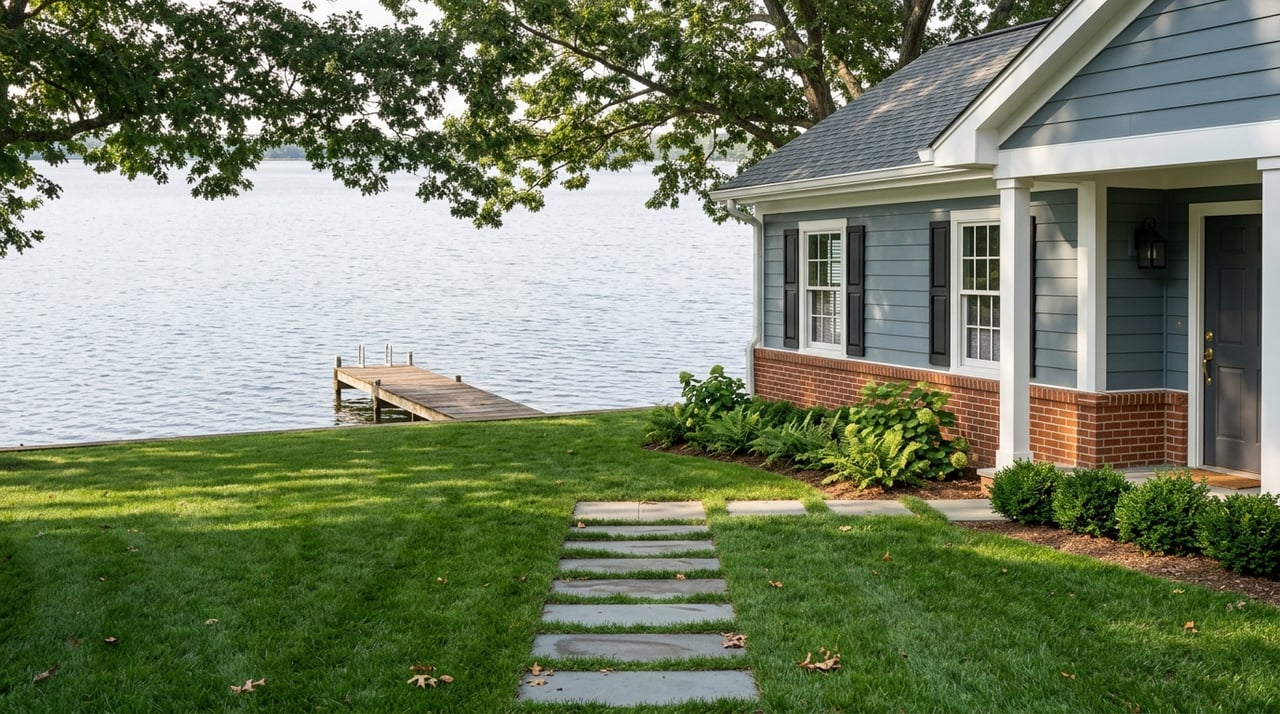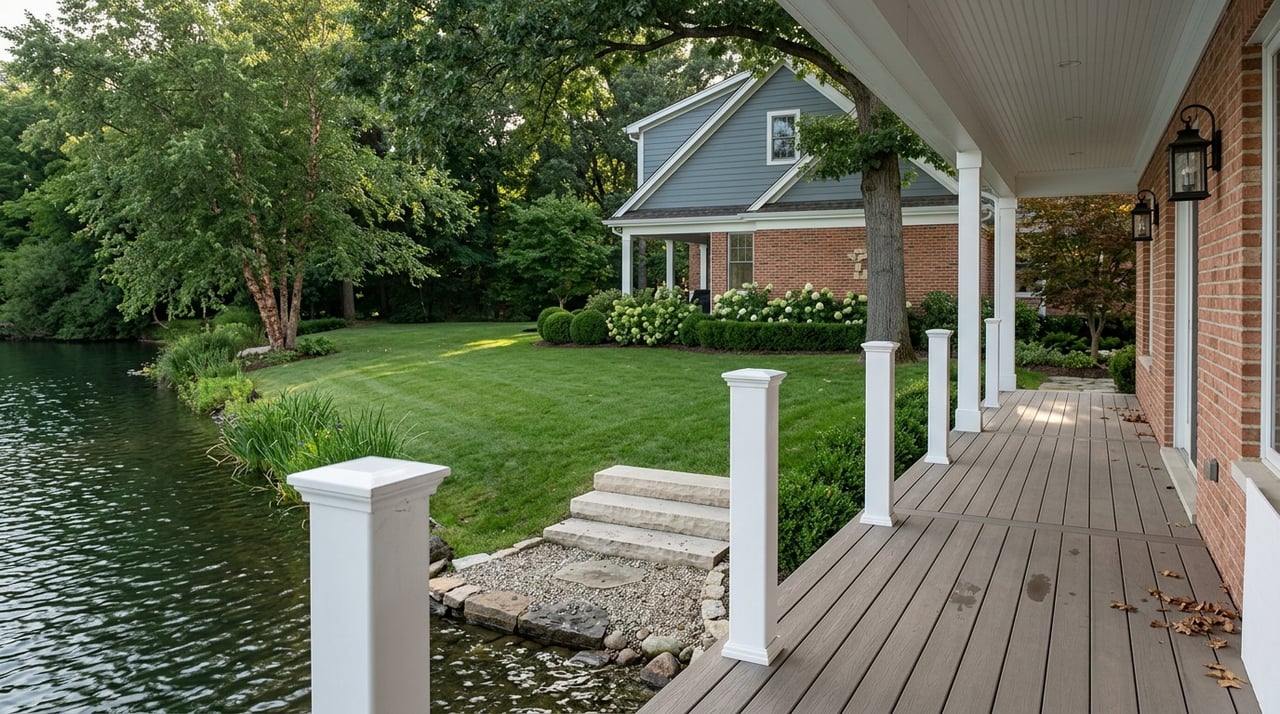
Dreaming about mornings on the water in Soddy Daisy? It is easy to picture the view, the dock, and weekends spent outside, but buying near Chickamauga Lake or one of the area’s creeks comes with a few extra layers to understand. If you know what to look for before you make an offer, you can protect your budget, avoid surprises, and choose a property that truly fits your lifestyle. Let’s dive in.
Why waterfront living feels different here
Soddy Daisy offers a distinct kind of water access because much of the area connects to the Chickamauga Reservoir system. TVA describes Chickamauga Reservoir as an impoundment of the Tennessee River with 36,240 acres of water surface and 784 miles of shoreline, so you are not buying next to a small, fixed-body lake.
That matters because water levels, shoreline use, and improvements along the water are shaped by a managed reservoir system. In practical terms, the property may feel different in summer than it does in winter, and the rules around docks and shoreline features are more structured than many buyers expect.
The local lifestyle is a big part of the appeal. Chickamauga Lake is used heavily for fishing, boating, and swimming, and nearby access points and parks support an active outdoor routine for many homeowners.
Know the water access you are really buying
One of the biggest questions in a Soddy Daisy waterfront purchase is simple: what exactly comes with the property? A listing may show a dock, walkway, or shoreline access path, but you should confirm what is actually approved and what sits on private land versus TVA-controlled land or land rights.
TVA states that if there is TVA land or land rights between the listed property and the lake, buyers should verify what is actually approved on the TVA side of the shoreline. That means you do not want to assume that every visible improvement automatically transfers with the home in the way you might expect.
Before you move forward, ask for documentation on any dock, pier, boathouse, steps, walkway, or shoreline stabilization work. Even relatively small shoreline changes can require approval.
TVA permits are a major part of the process
On TVA reservoirs, shoreline improvements are regulated. TVA says all shoreline construction or alterations require approval, including minor dock changes, piers, boathouses, land-based steps and walkways, and shoreline stabilization.
That makes permit review one of the most important parts of your due diligence. If a structure exists today, you want to know whether it matches the approved plan and whether the paperwork is available to support it.
If the seller cannot locate the permit, TVA recommends requesting a copy and comparing the permit to the structures on site. This is a smart step because a great-looking waterfront setup is not nearly as valuable if the approvals are unclear or incomplete.
Permits do not automatically transfer
This catches many buyers off guard. TVA says permits do not automatically transfer when a property sells, and new owners must apply for a Section 26a permit within 60 days of closing.
TVA also notes that an existing facility must match the prior approved plan to qualify for a transfer. If the dock or shoreline improvements do not line up with the approved plan, that can create extra work and uncertainty after closing.
Dock size and future changes may be limited
If you are buying with plans to expand or redesign the dock, check those assumptions early. TVA generally limits docks, piers, boathouses, and other residential water-use facilities in new developments to 1,000 square feet or less, along with an access corridor on TVA property, though waivers may be possible depending on location.
That does not mean every existing setup is identical, but it does mean future plans should be reviewed carefully. If your dream includes a larger dock, a different access path, or added shoreline features, it is better to understand the rules before you commit.
Water levels change with the seasons
A waterfront home in Soddy Daisy does not sit beside a perfectly steady shoreline all year. Chickamauga is managed for seasonal conditions, and TVA says lake levels are kept higher in summer to support recreation.
TVA also notes that the seasonal drawdown on Chickamauga begins after Labor Day weekend. The typical summer operating range is 681.5 to 682.5 feet, while the minimum winter elevation is 675 feet.
That difference can change how the property looks and functions. A shoreline that feels easy and inviting in summer may look much different in winter, and dock usability can shift with lower water.
Ask to see the property in context
When possible, ask how the shoreline looks at low water and whether photos are available from different seasons. A home can still be a great fit, but you want to understand the full picture, not just peak-season conditions.
TVA’s Lake Levels page and Lake Info app track current levels, predicted elevations, planned generation releases, operating guides, and recreation information throughout the day. For buyers who want to understand day-to-day conditions, this can help you see how dynamic the water really is.
Think beyond the view
The view often gets the attention first, but daily livability matters just as much. Waterfront and water-adjacent homes usually need more planning around moisture, drainage, and upkeep.
EPA recommends keeping indoor humidity below 60%, with an ideal range of 30% to 50%. Depending on the home, that may involve ventilation, exhaust fans, dehumidifiers, or crawlspace moisture barriers.
You should also pay attention to how the property handles rain and groundwater. EPA advises keeping soil around the foundation dry, maintaining gutters and downspouts, fixing leaks promptly, and inspecting periodically to help prevent termite issues.
Budget for maintenance from the start
Even a beautiful, well-kept home near the water may come with a little more maintenance than an interior neighborhood property. As you evaluate your budget, consider asking about:
- Drainage improvements
- Crawlspace condition and moisture control
- Dehumidifier systems
- Gutter and downspout maintenance
- Dock and shoreline upkeep
- Pest and termite monitoring
These items do not have to be deal breakers. They are simply part of making a smart, well-informed purchase.
Insurance should be an early conversation
Insurance is another area where waterfront buyers should get specific answers early. FloodSmart states that most homeowners insurance does not cover flood damage and that flood insurance is a separate policy.
Some lenders may require flood coverage even when a property is outside a high-risk area. Because of that, it is wise to speak with an insurance professional before closing so you can understand both cost and coverage requirements.
This step can help you avoid a last-minute budget surprise. It can also give you a clearer picture of the true monthly cost of owning the home.
Nearby amenities shape the lifestyle
Part of buying near the water in Soddy Daisy is choosing the kind of outdoor routine you want. The area offers access not only to lake activities, but also to parks, trails, and creek recreation.
Hamilton County says Chester Frost Park sits on the shores of Chickamauga Lake and offers year-round camping, 228 recreational campsites, a boat ramp, fishing piers, showers, laundry, Wi-Fi, and a beach swimming area with no lifeguard on duty. For many buyers, that kind of nearby infrastructure adds to the appeal of living close to the lake.
North Chickamauga Creek Gorge State Park is another major draw. Tennessee State Parks says the park has full public access, 8 miles of gorge trails, 10 miles of upland trails, and creek access that supports kayaking during parts of the year.
Booker T. Washington State Park also adds to the lake-centered lifestyle with picnic areas and shoreline access on Chickamauga Lake. At the same time, TVA notes that Chickamauga Lock is the busiest lock on the Tennessee River, so some stretches of waterfront may feel more active and connected to a working navigation corridor than buyers first assume.
A smart waterfront buyer checklist
If you are seriously considering a home near the water in Soddy Daisy, keep your due diligence focused on both the house and the shoreline. A few extra questions now can save you from major headaches later.
Here is a practical checklist to use before you buy:
- Confirm whether the dock, walkway, steps, or shoreline work has TVA approval
- Ask for copies of existing permits and compare them to what is on site
- Verify whether any shoreline access crosses TVA land or land rights
- Ask how the property looks and functions during winter drawdown
- Review drainage, crawlspace conditions, gutters, and humidity control
- Discuss flood coverage and insurance needs before closing
- Have professionals inspect both the home and waterfront improvements
For many buyers, waterfront living in Soddy Daisy is absolutely worth the extra homework. The key is making sure the property you love on showing day still makes sense after you look at permits, water levels, maintenance needs, and long-term costs.
If you are exploring homes near Chickamauga Lake or want help evaluating a waterfront property with local insight and careful guidance, Thibault Property Group is here to help you move forward with confidence.
FAQs
What should you verify before buying a waterfront home in Soddy Daisy?
- You should verify dock and shoreline permits, whether any access crosses TVA land or land rights, how the shoreline changes with seasonal water levels, and what maintenance or insurance costs may apply.
Do dock permits transfer automatically with a Soddy Daisy waterfront home?
- No. TVA says permits do not automatically transfer, and a new owner must apply for a Section 26a permit within 60 days of closing.
Can you change or expand a dock on Chickamauga Lake near Soddy Daisy?
- Possibly, but changes generally require TVA approval, and residential water-use facilities in new developments are typically limited to 1,000 square feet or less unless a waiver is granted based on location.
Do water levels on Chickamauga Lake change during the year?
- Yes. TVA says levels are typically higher in summer for recreation, and seasonal drawdown begins after Labor Day weekend, which can noticeably affect shoreline appearance and dock usability.
Should you ask about flood insurance for a home near the water in Soddy Daisy?
- Yes. FloodSmart says flood damage is usually not covered by standard homeowners insurance, and some lenders may require separate flood coverage even outside a high-risk area.