Looking at land in Sequatchie County and thinking, "How hard can it be?" That is a common starting point, especially when a parcel looks affordable on a per-acre basis. But in a place known for scenic acreage, agricultural land, and outdoor appeal, the real question is whether the property works for the way you want to use it. This guide walks you through the practical steps that matter most, from homesite planning to access, utilities, septic, and county records, so you can move forward with more confidence. Let’s dive in.
Start With the Land’s Purpose
Before you compare parcels, get clear on what you want the land to do for you. In Sequatchie County, that first decision shapes almost every step that follows.
If you want recreational land or a long-term hold, you may focus more on privacy, access, wildlife, timber, and how the tract lays. If you want a future homesite, you need to think beyond acreage and ask whether the parcel can support a driveway, a 911 address, utilities, and septic.
That distinction matters in Sequatchie County because the county highlights the area’s agricultural, recreational, and scenic opportunities. A beautiful parcel may still need careful review before it becomes a practical place to build.
Match Your Questions to Your Goal
If your goal is a homesite, your checklist should include:
- Road access
- Driveway feasibility
- 911 addressability
- Water availability
- Electric service
- Internet options
- Septic permitting
- Drainage and flood screening
- Recorded easements or restrictions
If your goal is agricultural or forest land, ask early whether the property may qualify for Tennessee’s greenbelt program through the Sequatchie County Assessor’s Office. The assessor notes that Sequatchie County uses the state greenbelt program for qualifying agricultural and forest land, and agricultural land must be at least 15 acres and actively engaged in farming.
Check Access Before Anything Else
One of the biggest land-buying mistakes is assuming a parcel is ready just because it fronts a road or looks easy to reach. In practice, access needs to be confirmed, not guessed.
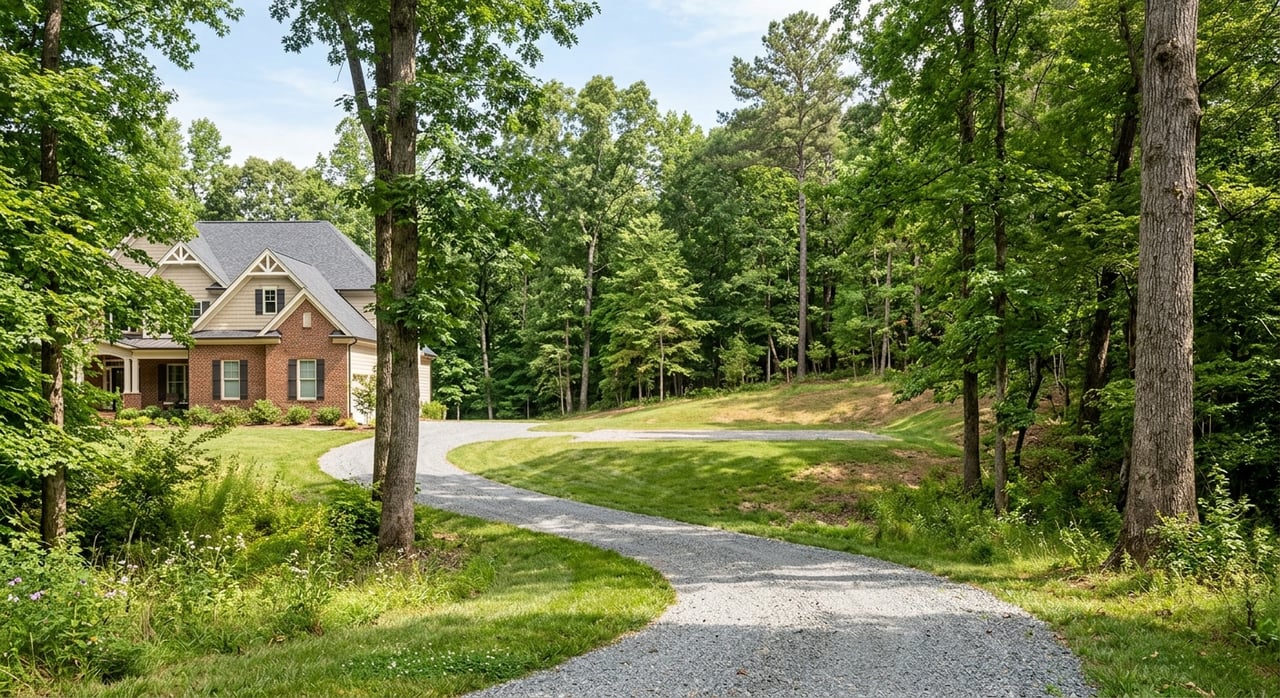
Sequatchie County E-911 says a 911 address can be obtained for improved properties, but not for bare land or vacant lots. A driveway must already be in place and clearly marked before an address is assigned, and most address requests are completed in about 10 business days.
That means if you are buying land for a homesite, driveway planning is not a small detail. It is part of the path to making the parcel function like a buildable site.
Road Names and Maintenance Are Separate Issues
The county also notes that road names are reviewed by E-911 and then brought before the County Commission. Just as important, a road name does not create county or city maintenance responsibility.
For buyers, that is a useful reminder. You want to understand not only how you reach the property, but also what kind of road access exists and whether any assumptions about maintenance are actually supported.
Verify Utilities Parcel by Parcel
In land purchases, utility assumptions can get expensive fast. A nearby home or a line along the road does not automatically mean your parcel has the same service options.
Sequatchie County’s resident services information lists several local utility providers by area, including Dunlap City Water & Natural Gas, North West Utility District for the Lewis Chapel area, Cagle/Fredonia Water District, Sequatchie Valley Electric Cooperative, and Bledsoe Telephone Cooperative. The City of Dunlap also notes that water and wastewater service are available through Dunlap in applicable areas, natural gas serves parts of Marion, Sequatchie, and Bledsoe counties, and power is available through SVEC.
The key point is simple: service varies by area. You should verify water, sewer or septic, electric, and internet separately for each parcel.
Do Not Assume Water Means Sewer
This is especially important for buyers coming from more urban or suburban areas. North West Utility District’s rate information makes clear that water and sewer are separate issues.
So when you evaluate a parcel, ask each utility question one at a time:
- Is public water available?
- Is public sewer available?
- If not, will septic be required?
- Is electric service nearby?
- What internet or phone service is available?
- What extension work, if any, may be needed?
Understand Septic Early
If public sewer is not available, a home in Tennessee will typically use an onsite wastewater treatment system, commonly called a septic system. Tennessee guidance states that a permit is required to install one.
For Sequatchie County buyers, the local environmental guidance points you to the TDEC Chattanooga field office for septic system construction permits and identifies the county environmental contact. That makes septic review an early step, not something to save for later.
If you are shopping for a homesite, septic feasibility can affect where a home sits, how the lot is laid out, and whether the project works the way you expect. It is much easier to sort that out before closing than after.
Screen for Drainage and Flood Risk
A parcel can be scenic and still come with drainage concerns. That is why flood and water-flow review should happen before you start serious builder pricing.
FEMA identifies the Flood Map Service Center as the official public source for flood-hazard information. If a parcel is inside Dunlap city limits, the city also has flood ordinances listed on its regulations page.
For buyers, the practical takeaway is clear. Review flood and drainage conditions early, especially if you are comparing low-lying land, creek areas, or parcels with uneven terrain.
Review County Records Before Closing
Land can look straightforward in a listing but tell a more complicated story in the public record. Before you close, make sure the parcel matches what you think you are buying.
The Sequatchie County Register of Deeds is the official record keeper for deeds, deeds of trust, liens, plats, and other real-property documents. Its filing requirements specifically reference subdivision plats, restrictions, easements, surveyor’s affidavits, and warranty deeds.
That makes the Register of Deeds an important stop when you want to check chain of title and identify recorded conditions that could affect development or access. If there is an easement, plat note, or restriction that impacts your plans, you want to know that before the land is yours.
Compare Listing Details to County Data
The county assessor’s office appraises taxable property, tracks ownership changes, addresses, and property boundaries, and keeps parcel maps current. Its public property search resources can help you confirm owner names, addresses, sales history, and related parcel data.
This is especially useful when listing details, seller memory, and county records do not line up perfectly. It also helps you confirm whether the parcel information you are relying on is current.
Check Tax Records Too
The assessor and the trustee do different jobs. The assessor appraises and classifies property, while the County Trustee collects taxes.
Because of that, it is smart to review both the parcel record and the trustee’s tax record before closing. That extra step can help you catch issues early and better understand how the property is currently classified.
Ask Whether a Survey Makes Sense
A survey is often one of the clearest ways to verify boundaries and access before closing. That is especially true when you are buying acreage, irregular tracts, or land with a long driveway or potential easement questions.
Sequatchie County’s deed recording rules specifically show that survey-related documents and subdivision plats are part of the local record system. In practical terms, that means survey information can be a valuable part of confirming what is actually being conveyed.
If you want confidence about corners, frontage, access routes, or buildable layout, this is not a step to treat lightly.
Work Backward From the Build
If your end goal is a home, one of the best ways to evaluate land is to work backward from the finished project. Instead of asking only, "Do I like this parcel?" ask, "Can I realistically build what I want here?"
Inside the City of Dunlap, the city’s government information lists building permit applications and notes zoning, subdivision, sign, and flood ordinances. If your parcel is inside city limits, that is where you should confirm the applicable land-use rules before a builder starts pricing the project.
Outside the city, the same general order still makes sense. First confirm addressability and access, then utility path, then septic, then title and recorded restrictions, and only after that move into final builder coordination and pricing.
Local Resources That Can Help
Land prep often includes more than just clearing a spot for a house. You may be thinking about brush removal, erosion control, driveway placement, or long-term land management.
Sequatchie County has a burn-permit office, which may be relevant if clearing or debris burning is part of site prep. The county also lists the Soil Conservation District and the UT Extension Office as local resources for soils, erosion, and land-management questions.
These are practical details that can save time and stress when you are turning acreage into a workable homesite.
A Smarter Order for Buying Land
If you remember one thing, let it be this: in Sequatchie County, land purchases usually go more smoothly when you move in the right order. Start with intended use, then confirm access and addressability, then utilities and septic, then records and title, and finally builder coordination.
That sequence helps you avoid spending energy on house plans or construction budgets before the basics are in place. It also gives you a clearer picture of whether a parcel is simply attractive land or a realistic homesite.
If you are considering acreage or a future homesite in Sequatchie County, working with a local team that understands both the land and the process can make the path much clearer. Thibault Property Group is here to help you evaluate opportunities, ask the right questions, and move forward with confidence.
FAQs
Can you get a 911 address for vacant land in Sequatchie County?
- No. Sequatchie County E-911 says bare land and vacant lots are not addressed, and a driveway must be in place and clearly marked before an address is assigned for an improved property.
How do you check utilities for land in Sequatchie County?
- Start with the county’s utility listings, then verify service directly by parcel and provider because water, sewer, electric, natural gas, and internet availability can vary by area.
Do you need septic approval for a homesite in Sequatchie County?
- If public sewer is not available, a home will typically need an onsite wastewater treatment system, and Tennessee requires a permit to install one.
Where do you verify deeds and plats in Sequatchie County?
- The Sequatchie County Register of Deeds is the official record keeper for deeds, deeds of trust, liens, plats, and other real-property documents.
Why should you check the assessor and tax records before closing?
- The assessor tracks parcel data, ownership, boundaries, and classification, while the County Trustee handles tax collection, so reviewing both can help you confirm the property details before you buy.
When should you review flood and drainage concerns for Sequatchie County land?
- Early in the process, before builder pricing, because flood and drainage conditions can affect how and where a parcel can be developed.