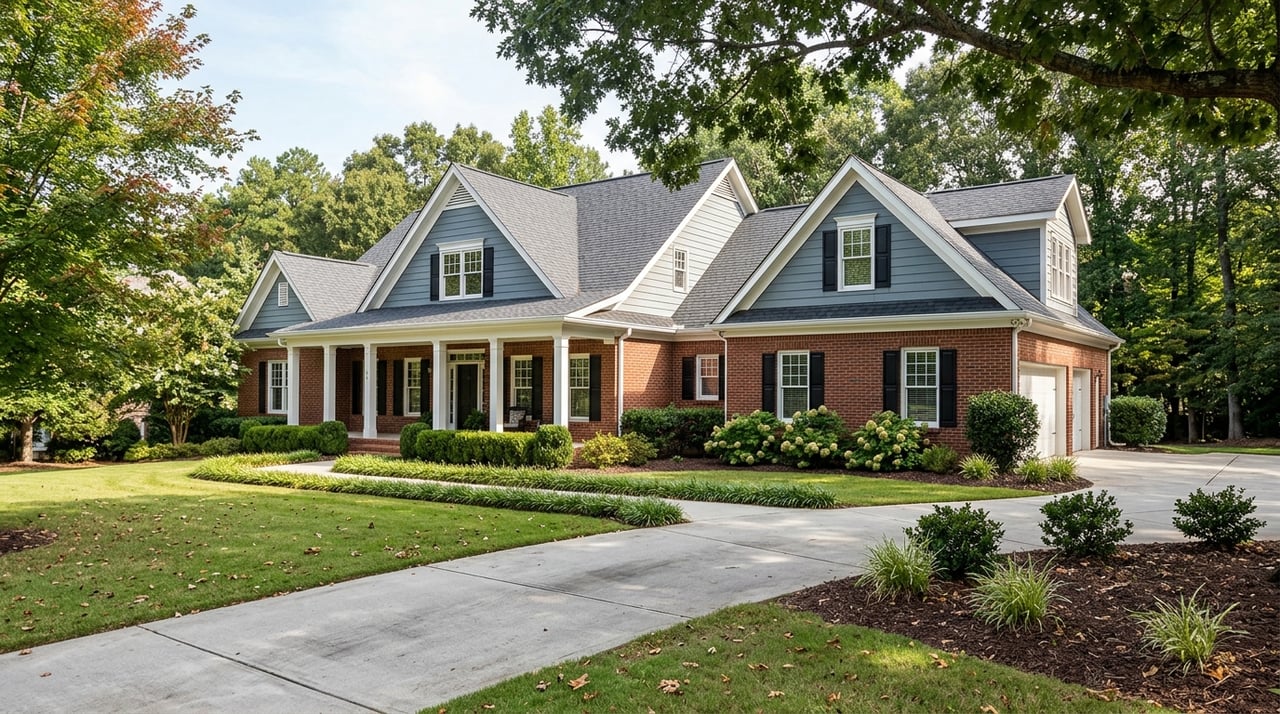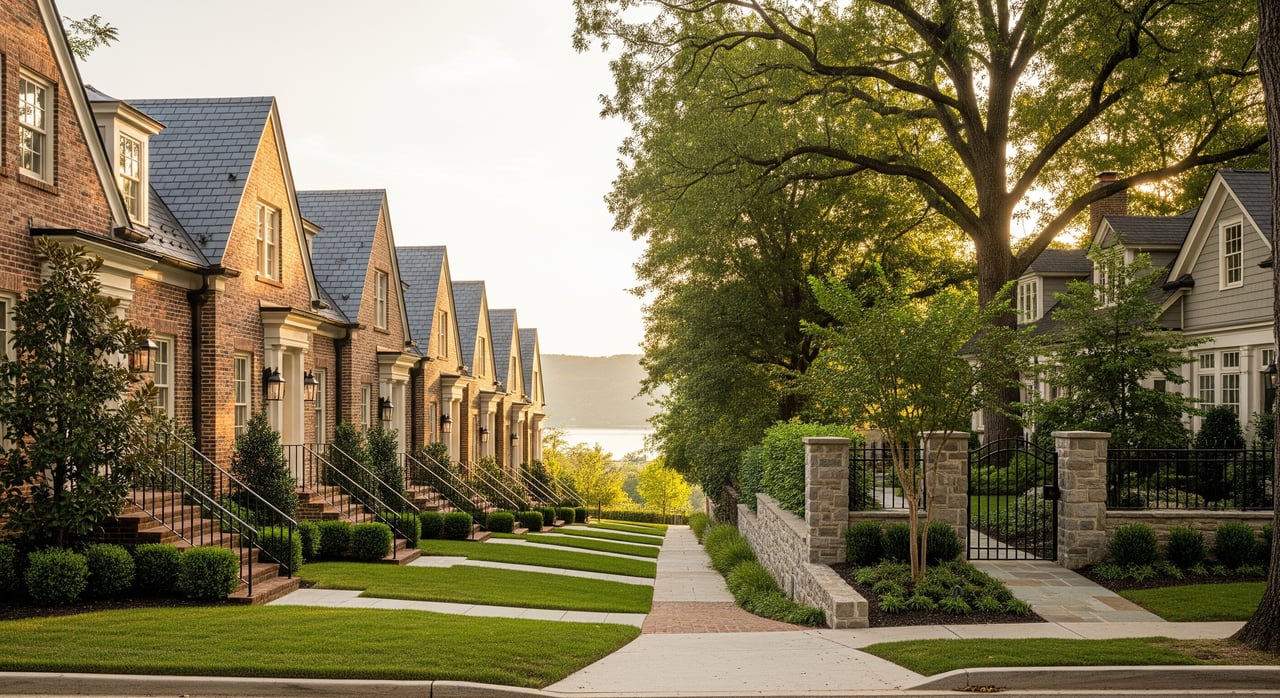
Thinking about buying in Northshore and wondering whether an HOA fits your lifestyle or if a non‑HOA home is the better path? You are not alone. North Chattanooga blends historic houses, walkable shops and restaurants, and newer condos and townhomes, so you will see both options on the same block. In this guide, you will learn how HOAs work here, what they typically cover, what to look for in the documents, and how to decide which path aligns with your budget and day‑to‑day routine. Let’s dive in.
HOA vs non‑HOA basics
An HOA is a private membership organization that you join automatically when you buy into a community governed by covenants, conditions and restrictions. The HOA maintains shared spaces and enforces rules that you agree to at purchase.
In North Chattanooga, you will mostly see three types:
- Condominium associations that manage the building structure and common areas.
- Townhome associations that maintain shared elements and sometimes parts of the exterior.
- Single‑family community associations that oversee common greens, street trees, and private amenities.
HOAs are typically led by an elected board of directors that adopts budgets, sets rules within the governing documents, and can levy assessments. These private rules are layered on top of public regulations set by the City of Chattanooga and Hamilton County.
What HOAs cover vs what you cover
Every community is different, but there are common patterns.
What HOAs often cover
- Landscaping and upkeep of common areas, sidewalks, internal drives, and amenities like pools, fitness rooms, elevators, or clubhouses.
- Exterior building maintenance for condos and sometimes townhomes, such as roofing and siding.
- Liability insurance for common areas and master insurance for condo buildings.
What homeowners usually cover
- Interior maintenance and utilities for your unit or home.
- Personal property and liability coverage, often an HO‑6 policy for condos.
- Any private yard or exterior features not listed as an HOA responsibility.
Condominium associations tend to cover more of the building envelope. Single‑family HOAs usually focus on shared greens and amenities rather than individual homes.
Common Northshore HOA rules
You can expect most associations to have clear standards that aim to preserve a consistent look and use of the property.
Exterior changes and landscaping
- Approval for paint colors, window and door replacements, fences, and additions.
- Guidelines for lawn care, mulch, weed control, and permitted plantings.
- Limits on satellite dishes and some exterior equipment.
Parking and vehicle rules
- Designated owner and guest parking with time limits for guests.
- Restrictions on street parking where applicable.
- Rules for RVs, boats, commercial or work vehicles.
Pets, noise, and nuisances
- Limits on number or size of pets and clear leash and cleanup rules.
- Quiet hours and standards for noise.
Leasing and short‑term rentals
- Minimum lease terms or limits on short‑term rentals are common.
- You will need to check both HOA rules and any City or County requirements for short‑term rental permitting.
Signs, storage, and exterior items
- Rules on flags and yard signs, including size and placement.
- Guidance for trash bin storage and timing.
- Seasonal decoration timing and standards for items like grills or generators.
Financials to review before you buy
The financial health of an HOA matters for your monthly costs and your long‑term risk.
Dues and what they fund
HOA dues pay for operations, landscaping, common utilities, amenity upkeep, management fees, and reserve contributions. Dues can be monthly, quarterly, or annual. Communities with extensive amenities or condo components often have higher dues than basic single‑family associations.
Reserves and special assessments
Healthy HOAs build reserves to handle big future repairs such as roofs, paving, or exterior painting. If reserves are thin, owners may face special assessments. Look for a current reserve study or a written plan that matches the age and condition of the property.
Delinquencies, liens, and enforcement
Associations can charge late fees and place liens for unpaid assessments, and some can foreclose. A high delinquency rate can signal stress in the community budget and can affect your risk.
Insurance
- Condo associations usually carry a master policy for the building and common elements. You still need an HO‑6 policy for interior finishes and personal liability.
- Single‑family associations tend to carry liability insurance for common areas. You carry full dwelling coverage for your home.
Financing and resale impact
Lenders evaluate condo projects for financial stability, owner‑occupancy ratios, and any pending litigation. Rental caps, pet rules, and fee levels can also influence resale demand. Well‑maintained amenities and clear governance can help values. Poor maintenance or unclear rules can reduce buyer interest.
Buyer due diligence checklist
Request these items early so you have time to review and to ask questions.
Documents to request
- Full governing documents: CC&Rs, bylaws, rules and regulations, plus amendments.
- Current operating budget and recent financial statements.
- Reserve study or funding plan and current reserve balances.
- Board meeting minutes for the past 6 to 12 months.
- Association insurance certificate and a summary of what you must insure.
- Estoppel letter or resale certificate showing dues, any unpaid or pending special assessments, and current owner status.
- Management contract if a management company is involved, including any related‑party disclosures.
- Litigation disclosures for any pending or threatened claims.
- Contact list for board members and the property manager.
Questions to ask
- How much are dues and what do they cover in detail?
- Are special assessments planned or recently levied?
- What is the reserve funding level and when was the last reserve study completed?
- What percentage of owners are delinquent on dues? Any units in foreclosure?
- Are there rental restrictions or short‑term rental rules? Have any variances been granted?
- Are there open disputes, complaints, or litigation?
- What exterior changes require approval and how long does approval typically take?
- What capital projects are planned over the next one to five years?
Red flags to pause on
- Large or recent special assessments without a clear capital plan.
- Low reserves relative to the age and condition of the buildings or amenities.
- High delinquency rates or multiple foreclosures.
- Pending lawsuits that may expose owners to added costs.
- Highly restrictive or vague covenants that affect normal use of the property.
- Visible deferred maintenance in common areas despite substantial dues.
Lifestyle tradeoffs to consider
Think about how you want to live day to day in Northshore and what you want to spend time and money on.
When an HOA can be a great fit
- You prefer predictable, outsourced exterior maintenance.
- You value amenities like a pool or fitness room.
- You like standards for property appearance that help maintain a consistent look.
- You want organized services like trash pickup, snow response, or shared utilities where offered.
A common local scenario is the buyer who wants to walk to restaurants on Frazier Avenue, then come home to a low‑maintenance condo with a pool and fitness room. The HOA simplifies exterior upkeep so your weekends stay open.
When a non‑HOA home makes sense
- You want maximum autonomy over exterior paint, landscaping, and add‑ons.
- You do not want ongoing HOA dues or restrictions on signs, rentals, or pets.
- You prefer to choose your own contractors and maintenance schedule.
Another local scenario is the buyer who loves an older bungalow and wants freedom to renovate the facade, add a custom fence, or keep a work vehicle at home. Without an HOA, you set the rules, as long as you comply with city and county regulations.
Seller steps in HOA and non‑HOA
If you are selling a home with an HOA, plan ahead for the resale package. Associations often charge a fee and need lead time to produce documents and an estoppel or resale certificate. Disclose any pending assessments, disputes, or violations.
If you are selling a non‑HOA home, you still need to disclose known neighborhood issues, any municipal code concerns, or shared driveways or utilities. Having permits and records organized will make your sale smoother.
Local verification tips
- Confirm property specifics with Hamilton County property records for legal description and taxes.
- Check City of Chattanooga planning and zoning for land use and any rules that may affect short‑term rentals.
- Request HOA documents directly from the association or its management company.
- If you need help interpreting covenants or litigation risk, consider speaking with a Tennessee real estate attorney.
- If you are financing a condo, talk with a lender experienced in Chattanooga condo approvals early in your search.
- Visit the community at different times and days to observe maintenance, parking, and amenity use.
Make your choice with confidence
The right answer is the one that fits your budget, your tolerance for rules, and the amount of maintenance you want on your plate. If you want a lock‑and‑leave lifestyle near the riverfront, an HOA property might be perfect. If personal freedom to customize your home is a top priority, a non‑HOA place may win.
When you are ready to compare specific homes and review real documents side by side, reach out to the local team that knows Northshore and the greater Chattanooga market. Start a conversation with Thibault Property Group to align your next move with the way you want to live.
FAQs
What is an HOA in North Chattanooga and how does it work?
- An HOA is a private organization that owners join at purchase. It maintains shared spaces and enforces covenants, with decisions made by an elected board under the community’s governing documents.
What do HOA dues typically cover for condos vs townhomes?
- Condo dues often include exterior building maintenance, common utilities, amenities, and a master insurance policy. Townhome dues may cover shared areas and some exterior elements, but the exact split varies by community.
Are short‑term rentals allowed in Northshore HOA communities?
- Many HOAs regulate short‑term rentals with minimum lease terms or limits. You must check both the HOA’s rules and any City or County requirements before planning an STR.
How can an HOA’s finances affect my mortgage on a condo?
- Lenders review a condo project’s financial stability, reserves, owner‑occupancy, and litigation. Weak reserves, high delinquencies, or lawsuits can complicate loan approval and terms.
What red flags should I look for in HOA documents before I buy?
- Watch for low reserves, recent or large special assessments, high delinquency rates, vague or highly restrictive covenants, and pending lawsuits, plus any visible deferred maintenance.
If I choose a non‑HOA home, what extra costs should I plan for?
- Budget for full exterior maintenance, roofing and siding over time, driveway and lawn care, and any improvements or fencing. You control the schedule and the contractors, but you also carry all costs.