Buying your first home in North Chattanooga can feel exciting and a little overwhelming. You are hearing about fast-moving listings, multiple offers and a lot of new terms. This guide walks you through each step with local context, clear numbers and practical tools so you can move forward with confidence. Ready to map out a plan you can actually follow? Let’s dive in.
North Chattanooga snapshot for first-time buyers
Home prices here vary depending on the source and what the number measures. Realtor.com reported a median listing price near $580,000 (December 2025). Redfin’s neighborhood snapshot showed a median sale price around $648,000 (most recent monthly data). Zillow’s ZHVI, a trend index, listed an average home value near $578,412 (updated 2/28/2026). Always note the label and the date when you look at market stats.
These figures differ because list prices, closed sale prices and index values use different inputs and time windows. Late 2025 data described North Chattanooga as a seller’s market with tight inventory, especially in highly walkable pockets. If you are set on North Shore, Normal Park, Hill City, Rivermont or adjacent riverfront areas, plan for competition and be ready to act fast.
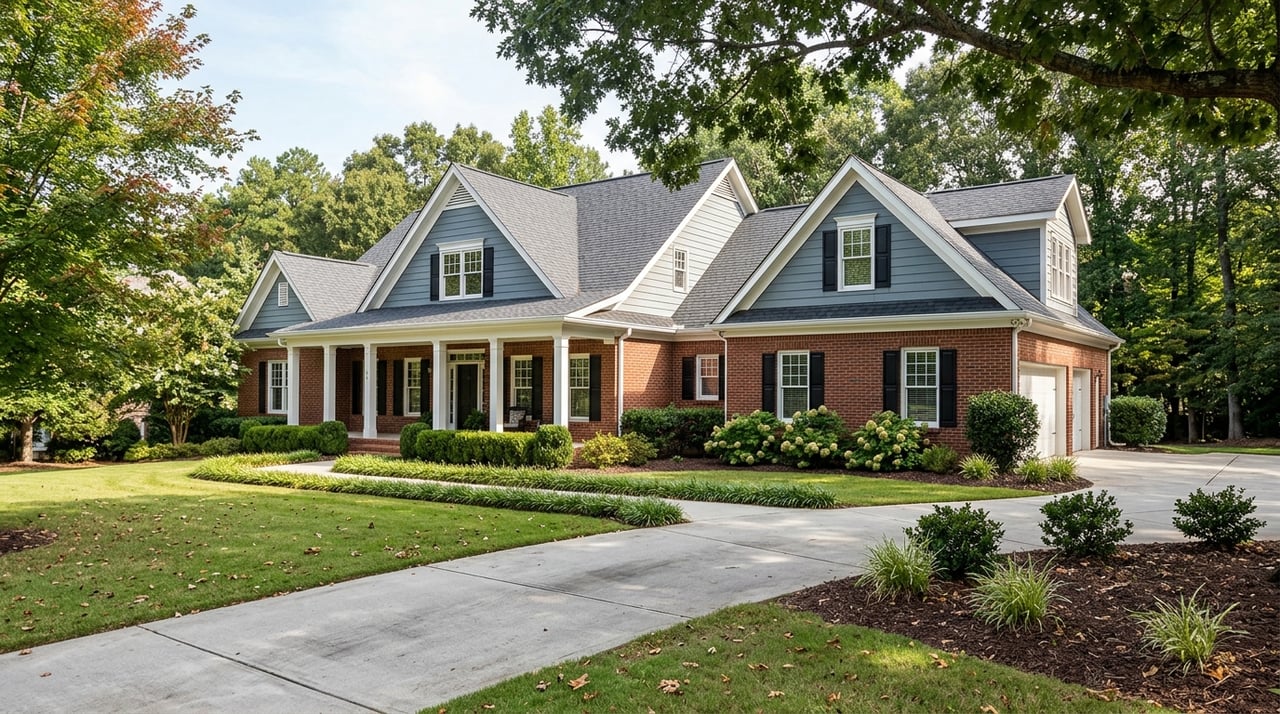
Housing in North Chattanooga ranges from early-20th-century bungalows and craftsman homes to newer infill and condos. School magnets like Normal Park (PK–8) are often part of local conversations, but be sure to verify school options directly with the district. If you need more affordability, consider nearby zip codes just outside the core where medians are often lower.
Step 1: Get pre-approved and set your budget
Start with a written pre-approval. After you apply, lenders must provide a Loan Estimate within three business days so you can compare rates, fees and monthly costs. Later, you will receive a Closing Disclosure at least three business days before closing so you can confirm the final numbers. You can learn what to look for in these forms from the Consumer Financial Protection Bureau’s guidance on closing with confidence.
Understand your debt-to-income ratio (DTI). Many qualified mortgage guidelines use a 43 percent DTI benchmark as a reference point. A lower DTI and some cash reserves can expand your loan options.
Every loan program has rules, and many lenders add their own overlays. FHA, VA, USDA, conventional and state-assisted programs all vary by credit score, debt ratio and down payment. Read up on program basics and ask each lender about any added requirements. A quick primer on FHA standards is available on FHA.com.
Step 2: Explore Tennessee and Chattanooga assistance
If you are a first-time or price-sensitive buyer, you may qualify for help with your down payment or closing costs.
- THDA Great Choice home loan. Tennessee Housing Development Agency offers a 30-year fixed program for eligible low-to-moderate income borrowers that pairs with FHA, VA, USDA and certain conventional loans. THDA commonly requires homebuyer education and, per its materials, a minimum FICO around 640 for most products. See program details in the THDA Homebuyer Handbook.
- THDA Great Choice Plus. This is a subordinate second mortgage for down payment or closing costs. THDA examples show assistance like $6,000 for lower-priced homes and $7,500 at higher price tiers. Always verify current limits and caps with THDA before you apply. Details are in the THDA Homebuyer Handbook.
- City of Chattanooga First-Time Homebuyer Grant & Loan Program. Announced June 12, 2023, the city offers grants up to $10,000 for closing costs and zero-interest subordinate loans for qualifying income tiers (for example, up to $50,000 for households at or below 80 percent of AMI and up to $40,000 for 80–100 percent of AMI), along with purchase price limits and other rules. Program funding and income thresholds can change, so always verify the latest details with the city or its partners. Read the city’s overview in the official press release.
- Chattanooga Neighborhood Enterprise (CNE). CNE provides homebuyer education, counseling and lending products, and often administers local assistance tied to city or state funds. If you plan to use city grants or need counseling, start with CNE Lending.
Pro tip: Ask your lender and CNE if you can layer THDA assistance with city funds. Stacking support can reduce your cash needed at closing, but each program’s rules and income caps must align.
Step 3: Know your total costs up front
Your total cash to close is more than the down payment. Plan for these items:
- Down payment by loan type. FHA typically allows 3.5 percent down with credit scores of 580 or higher. VA and USDA can be 0 percent down for eligible borrowers. Certain conventional programs can start at 3 percent down. Lender overlays may raise minimums. Review program basics at FHA.com.
- Closing costs in Tennessee. Budget about 2 to 5 percent of the purchase price for items like lender fees, appraisal, title, recording, and prepaid taxes and insurance. Exact line items vary by loan and property.
- Earnest money. In our area, deposits often range from a flat $1,000 to $3,000 or about 1 to 3 percent of the price. Competitive homes may call for stronger deposits. Learn how earnest money works from this local title company’s earnest money overview.
Illustration only: At a $580,000 median listing price (Realtor.com, December 2025), an FHA buyer might plan for about $20,300 down (3.5 percent) plus another 3.5 percent in closing costs (about $20,300). A 1 percent earnest deposit would be $5,800. Always obtain a personalized Loan Estimate from your lender for accurate numbers.
Step 4: Shop homes smart in North Chattanooga
Low inventory in walkable spots means you should balance wants and needs. Decide where you can flex: size, condition, parking or outdoor space. If North Shore or Normal Park is your first choice, also shortlist nearby areas that fit your price and commute.
Tour with intent. See new listings quickly, review seller disclosures, and ask your agent for recent comparable sales. If a condo or townhome fits your budget, review HOA documents early so you understand fees, rules and reserves.
Step 5: Write a winning, protective offer
In a seller-leaning market, strong offers are clean and complete. Your strategy may include a clear pre-approval letter, a solid earnest deposit, flexible timelines and thoughtful contingency language. Be cautious about waiving inspection or financing protections unless your lender and attorney advise it.
Follow the contract’s earnest money instructions exactly. The purchase agreement will say where to deliver funds, who holds escrow, and by what date. Keep your receipt and confirm that the escrow holder is named in the contract.
Step 6: Do thorough inspections
Most local contracts allow a negotiated inspection window, often 7 to 10 days, though 5 to 14 days is common depending on the deal. Use this time well.
For older North Chattanooga homes, schedule a general home inspection plus pest, roof, HVAC and electrical evaluations. Ask your inspector about any signs of outdated wiring and consider a sewer scope. In low-lying parcels, add a radon test and review flood risk. THDA encourages pre-purchase inspections and education in its homebuyer handbook.
Step 7: Understand appraisal and value gaps
Your lender orders an appraisal to confirm value and condition for the loan. If the appraised value comes in lower than the purchase price, you will need to negotiate a reduction, bring additional cash, or consider other financing options. In competitive markets, talk with your agent about appraisal contingency language before you write the offer so you know your plan.
Step 8: Title, taxes, insurance and closing
Tennessee closings are commonly handled by title or settlement companies, though you can hire an attorney if you prefer. If you pay for your title insurance policy, you typically choose the title company. Confirm which company will handle your file in the purchase agreement.
Typical financed closings take about 30 to 45 days when appraisal and underwriting go smoothly. Cash purchases can close much faster. Delays can occur if HOA documents, title cures or lender conditions take extra time.
- Flood risk. North Chattanooga borders the Tennessee River and includes low-lying areas. Check a property’s status using FEMA’s Flood Map Service Center. If a home is in a Special Flood Hazard Area and you finance with a supervised lender, flood insurance will usually be required.
- Property taxes. Tennessee assesses residential property at 25 percent of appraised value. Chattanooga lists a city rate of 2.25 per $100 of assessed value, which combines with county rates to produce the total bill. Review local tax FAQs on the city’s OpenGov portal and the Hamilton County Trustee’s tax resources.
- Recording and title fees. Recording and transfer charges are paid at closing and vary by document count and county schedule. Use the Hamilton County Register of Deeds fee calculator for estimates.
Quick checklist for first-time buyers
- Before you tour: get a written pre-approval, review your Loan Estimate, and set a firm monthly budget. Save for an earnest deposit plus 2 to 5 percent for closing costs. Read the CFPB’s guide to closing with confidence.
- In the first week under contract: deposit earnest money per the agreement and schedule general and specialty inspections (sewer scope, radon, pest). See a title company’s earnest money overview for what to expect.
- Before closing: confirm flood zone and insurance costs using FEMA’s map center, review your Closing Disclosure three business days before signing, and verify the title company and recording fees with the county calculator.
- Need help with cash at closing: explore THDA Great Choice, the City of Chattanooga’s grant and loan program, and CNE Lending. Always verify current funding and limits.
A simple budget example at the median
Using the December 2025 median listing price of $580,000 as an illustration only:
- FHA down payment (3.5 percent): about $20,300
- Estimated closing costs (assume 3.5 percent for planning): about $20,300
- Typical earnest money (1 percent): about $5,800
Your numbers will vary by loan type, credit profile, HOA fees, title charges, insurance and taxes. Ask your lender for a personalized Loan Estimate and your title company for a fee quote.
Ready to take the next step?
You do not have to navigate this alone. If you want clear guidance, local strategy and steady communication from offer to close, our family team is here to help. Reach out to Thibault Property Group to start your first-home plan today.
FAQs
How much cash do I need to buy in North Chattanooga?
- Plan for your down payment (3.5 to 20 percent depending on program), plus about 2 to 5 percent for closing costs, and an earnest deposit that is often 1 percent or a flat $1,000 to $3,000. For example, at a $580,000 price, 3.5 percent down is about $20,300, with another 3.5 percent for closing as a planning figure.
Are there local down payment programs in Chattanooga?
- Yes. Tennessee’s THDA offers Great Choice loans and Great Choice Plus assistance for eligible buyers, and the City of Chattanooga provides grants and zero-interest subordinate loans for qualifying income tiers. Start with the THDA handbook, the city’s program overview, and CNE Lending for counseling and applications. Always verify current funding and limits.
Do I need flood insurance near the Tennessee River?
- If FEMA maps show the property in a Special Flood Hazard Area (Zone A, AE or VE), most lenders will require flood insurance. Check the address at FEMA’s Flood Map Service Center and get quotes from an insurance professional.
How long does closing take in Hamilton County for first-time buyers?
- Most financed purchases close in about 30 to 45 days when appraisal and underwriting move smoothly. Cash purchases can be faster. Complex HOAs, title cures or loan conditions can extend the timeline.
What inspections are recommended for older North Chattanooga homes?
- Schedule a general home inspection and consider pest, roof, HVAC, electrical evaluation, and a sewer scope. In low-lying parcels, add a radon test and confirm flood risk using FEMA’s map center.